
The Basics of Impact Investing
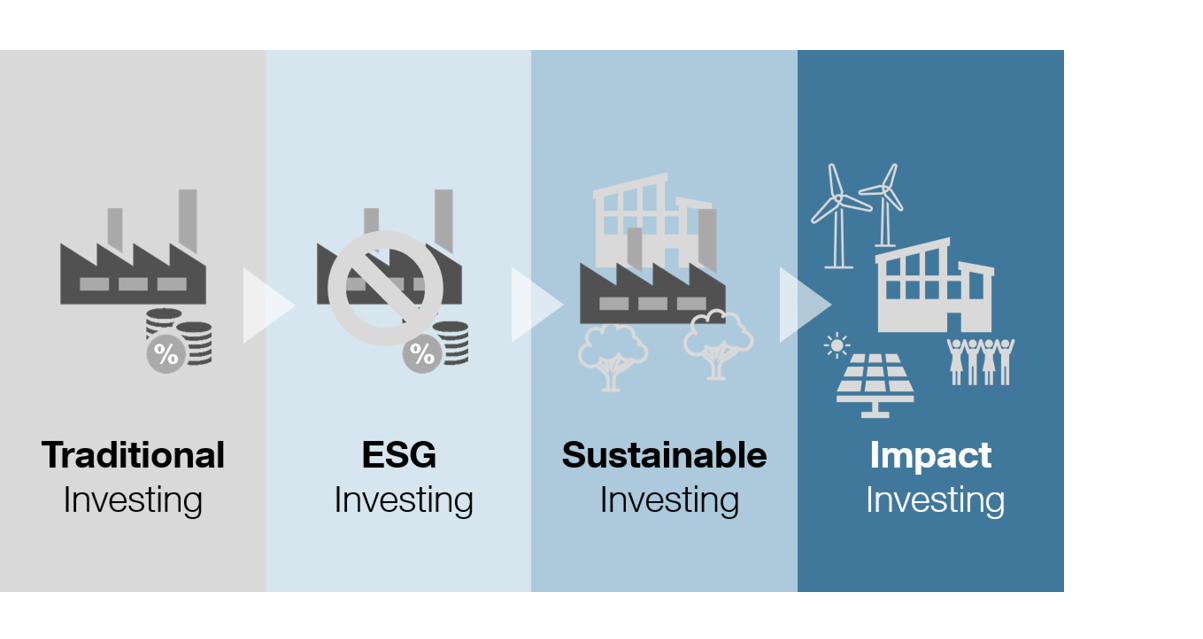
Impact Investing Imagine your money could do more than just grow in the bank. Impact investing is like planting a seed that not only sprouts into a beautiful flower but also benefits the world around it. It’s about investing your money in companies or projects that aim to make a positive change in society or the environment, while also earning a financial return.
How Does it Work?
Unlike traditional investing, where the primary goal is financial profit, impact investing seeks to generate both financial returns and positive social or environmental impact. This means your money can help solve problems like poverty, climate change, or inequality, while still growing.
- Intentionality: Impact investors have a clear goal to make a positive difference. They carefully select investments that align with their values and beliefs.
- Financial Return: While impact is the priority, investors still expect to earn a reasonable financial return on their investment.
- Impact Measurement: It’s essential to measure the social or environmental impact of an investment. This helps investors track progress and hold companies accountable.
Types of Impact Investments
Impact investing covers a wide range of investment options:
- Social Enterprises: These businesses aim to solve social problems while generating revenue. Examples include companies providing affordable housing, renewable energy, or healthcare services.
- Impact Funds: These funds pool money from multiple investors to invest in companies or projects with a social or environmental mission.
- Community Development Financial Institutions (CDFIs): CDFIs provide loans, investments, and financial services to underserved communities.
- Green Bonds: These bonds finance environmentally friendly projects like renewable energy or sustainable infrastructure.
Why Impact Investing Matters
Impact investing is more than just a trend; it’s a powerful tool for creating a better world. By choosing to invest with a purpose, you can:
- Drive Positive Change: Your money can support innovative solutions to global challenges.
- Build a Better Future: Invest in companies and projects that create a more sustainable and equitable world.
- Diversify Your Portfolio: Impact investing can offer unique investment opportunities and potentially reduce risk.
- Align Your Values: Invest in companies that reflect your beliefs and priorities.
Getting Started
If you’re interested in impact investing, there are several ways to get involved:
- Research: Learn about different impact investment options and find opportunities that align with your goals.
- Talk to an Advisor: Consult with a financial advisor who specializes in impact investing.
- Start Small: Begin with a small amount of money to explore impact investing and gradually increase your investment over time.
- Consider Your Risk Tolerance: Impact investing can involve different levels of risk, so it’s important to assess your comfort level.
Remember, impact investing is a journey, not a destination. By making conscious investment choices, you can contribute to a brighter future for yourself and generations to come.

What is Impact Investing?
Imagine your money could do more than just grow. What if it could help clean up our planet, help people in need, or even create new jobs? That’s the idea behind impact investing.
Impact investing is when you put your money into companies or projects that aim to make the world a better place. Instead of just looking for profits, impact investors want to see a positive change happen alongside their financial returns.
How does it work? When you invest in an impact investment, your money helps fund businesses or organizations working on issues like climate change, poverty, education, or healthcare. These businesses might develop solar panels, build affordable housing, or create new medicines.
Why is it important? Traditional investing often focuses solely on making money. Impact investing shows that you can do good while also doing well. It’s about using your money to create a positive impact on the world. By choosing to invest in companies that share your values, you can help drive change and build a better future.
What kind of impact can you make? The possibilities are endless! You could invest in companies that are developing clean energy sources, helping farmers grow more food, or providing access to clean water. Your investment could help create jobs, improve education, or protect endangered animals.
Is it risky? Like any investment, there are risks involved. However, many impact investments have a solid track record of both financial returns and positive social or environmental impact. It’s important to do your research and consider your own financial goals before investing.
How can you get started? There are many ways to get involved in impact investing. You can research companies that align with your values, consider impact-focused investment funds, or talk to a financial advisor who specializes in sustainable investing.
Remember, even small investments can make a big difference. By choosing to invest with impact, you’re not just growing your money; you’re growing a better world.
How Does Impact Investing Work?
Imagine you want to make a difference in the world while also growing your money. That’s where impact investing comes in! Instead of just looking for the highest return on your investment, you’re also looking for a positive impact on people and the planet.
What is Impact Investing?
Impact investing is about putting your money to work for good. It’s when you invest in companies or projects that aim to solve social or environmental problems. For example, you might invest in a company that makes solar panels to help fight climate change, or in a business that provides loans to small farmers in developing countries.
How Does It Work?
- Identify your values: First, you decide what kind of impact you want to make. Are you interested in climate change, education, healthcare, or something else?
- Research and choose investments: You look for companies or projects that align with your values. These could be anything from startups to established businesses.
- Invest your money: You put your money into the chosen investments. This could be through stocks, bonds, or other financial instruments.
- Measure the impact: You track the social and environmental benefits created by your investments. This helps you understand how your money is making a difference.
Key Points to Remember:
- Balance of profit and purpose: While impact investing aims to make a positive impact, it also seeks to generate financial returns.
- Variety of options: There are many different ways to get involved in impact investing, from individual investments to funds that pool money from multiple investors.
- Measuring impact: It’s important to track the social and environmental benefits of your investments to ensure they are making a real difference.
Example of Impact Investing:
Let’s say you’re concerned about climate change. You might invest in a company that develops electric cars. By investing in this company, you’re not only helping to reduce greenhouse gas emissions but also potentially earning a financial return if the company succeeds.
Impact investing is a powerful way to use your money to create a better world. It’s about combining your financial goals with your desire to make a positive change. By choosing to invest with impact, you can be part of the solution to some of the world’s biggest challenges.
Types of Impact Investments
Impact investing is about making a difference while making money. It’s a way to use your investments to create positive change in the world. But what does it actually look like? Here are some common types of impact investments.
1. Venture Philanthropy
This is a blend of philanthropy and venture capital. Investors provide funding to early-stage social enterprises or nonprofits with high growth potential. The goal is to generate both social impact and financial returns. Think of it as backing the next big thing in the world of good.
2. Microfinance
Ever heard of microloans? Microfinance involves providing small loans to individuals or groups, often in developing countries. These loans can help people start businesses, access education, or improve their living conditions. It’s about empowering people to lift themselves out of poverty.
3. Community Development Investments
This type of impact investing focuses on improving the economic conditions of a specific community. It could involve investing in affordable housing, job training programs, or small businesses within a neighborhood. The aim is to create sustainable economic growth and improve quality of life.
4. Green Bonds
Want to invest in a greener future? Green bonds are debt securities issued by governments, corporations, or organizations to fund environmental projects. These projects can range from renewable energy to sustainable agriculture. By buying green bonds, you’re directly supporting initiatives that protect our planet.
5. Social Impact Bonds
These are a bit more complex. Governments or nonprofits issue social impact bonds to fund social programs. Investors provide the money upfront, and if the program achieves its goals, investors receive a financial return. It’s a pay-for-success model that rewards those who contribute to positive social change.
6. ESG Investing
You might have heard of ESG (Environmental, Social, and Governance). ESG investing considers a company’s impact on these factors when making investment decisions. It’s a way to support companies that prioritize sustainability, social responsibility, and good governance.
Remember, these are just a few examples, and the world of impact investing is constantly evolving. There are countless opportunities to align your investments with your values and create a positive impact on the world.
Benefits of Impact Investing
Impact investing is a way of investing your money in companies or projects that aim to make a positive difference in the world. Instead of just focusing on making money, impact investors also want to solve social and environmental problems. This approach offers several benefits:
Making a Difference
- Positive Change: By investing in companies that address issues like climate change, poverty, or healthcare, you directly contribute to creating a better world.
- Supporting Important Causes: Your money can help fund projects that you care about, such as renewable energy, education, or affordable housing.
- Inspiring Others: Your decision to invest with impact can inspire friends, family, and others to do the same, creating a ripple effect of positive change.
Financial Benefits
- Diversification: Impact investing can be a way to diversify your investment portfolio. It can offer different opportunities compared to traditional investments.
- Long-Term Growth: Many impact investments have the potential for strong financial returns, especially as more people recognize the importance of sustainability and social responsibility.
- Risk Management: Some impact investments can be less risky than traditional investments because they focus on addressing real-world problems with proven solutions.
Personal Satisfaction
- Alignment with Values: Impact investing allows you to invest in line with your personal values and beliefs.
- Purposeful Investing: Knowing that your money is making a positive impact can be incredibly rewarding and fulfilling.
- Building a Better Future: By supporting impact investments, you contribute to creating a more sustainable and equitable future for everyone.
Building a Stronger Community
- Local Impact: Many impact investments focus on supporting local businesses and communities. This can create jobs and improve the quality of life for people in your area.
- Collaboration: Impact investing often involves partnerships between investors, businesses, and non-profit organizations, fostering collaboration and innovation.
- Positive Externalities: The benefits of impact investing can extend beyond the initial investment, creating positive ripple effects throughout the economy and society.
Remember, impact investing is not just about giving away money. It’s about combining financial returns with positive social and environmental impact. By choosing to invest with purpose, you can make a difference while also growing your wealth.
Getting Started with Impact Investing
What is Impact Investing?
Imagine your money could not only grow but also make a positive difference in the world. That’s the idea behind impact investing. It’s about investing in companies or projects that aim to solve social or environmental problems while generating financial returns.
Why Should You Care?
You might be wondering, “Can I really make a difference with my money?” The answer is a resounding yes! Impact investing allows you to align your values with your investments. It’s a way to support companies and organizations working on issues you care about, such as climate change, education, or healthcare.
Getting Started
- Define Your Values:
- What issues are important to you? Climate change? Education? Poverty?
- Consider your personal interests and passions.
- Understand Your Financial Goals:
- How much money can you invest?
- What is your investment timeline?
- What is your risk tolerance?
- Do Your Research:
- Learn about different impact investing options.
- Research companies or funds with a strong track record of both financial and social returns.
- Look for certifications or labels that indicate a company’s commitment to impact.
- Diversify Your Portfolio:
- Don’t put all your eggs in one basket.
- Consider investing in a mix of impact investments and traditional investments.
- Start Small:
- You don’t need a lot of money to start. Even small amounts can make a difference.
- Consider investing in impact-focused mutual funds or ETFs.
Where to Invest
- Impact Funds: These funds invest in companies that meet specific social or environmental criteria.
- Community Development Financial Institutions (CDFIs): These organizations provide loans and investments to underserved communities.
- Social Impact Bonds: These innovative financing models address social problems by offering financial returns to investors.
- Crowdfunding Platforms: Many platforms allow you to invest in startups with a social mission.
Challenges and Considerations
While impact investing is rewarding, it’s important to be aware of potential challenges. Returns may be lower than traditional investments, and it can be difficult to measure impact accurately. However, the long-term benefits to both people and the planet can be significant.
Remember, impact investing is a journey, not a destination. Start small, learn as you go, and don’t be afraid to make mistakes. By aligning your investments with your values, you can create a positive impact on the world while building a strong financial future.
Would you like to learn more about a specific type of impact investing, or perhaps explore some real-world examples?


