
The Black and White Storyteller
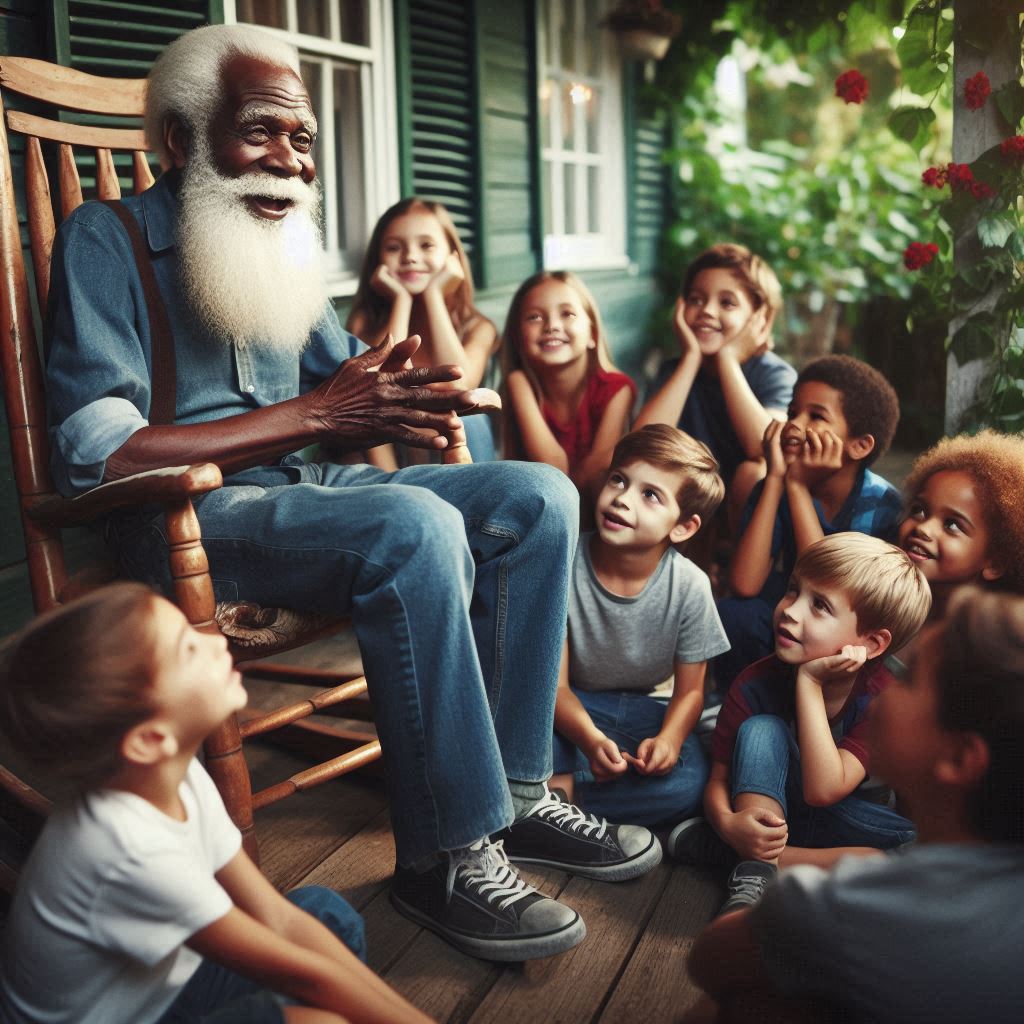
Black and White Imagine a world without color. Sounds dull, right? Well, not quite. For some photographers, black and white is more than just an absence of hue; it’s a vibrant language, a canvas for emotions, and a portal to timeless stories.
Black and white photography is a unique art form that strips away the distractions of color, leaving behind the essence of a scene. Black and White It’s about focusing on the heart of the image: the shapes, textures, and contrasts that create a powerful visual narrative.
A black and white photograph can evoke a wide range of emotions. It can be mysterious and haunting, or it can be stark and dramatic. It might be peaceful and serene, or full of energy and movement. The possibilities are endless.
The photographer who masters this art form is more than just a technician; they are a storyteller. They see the world in shades of gray, and they use those shades to communicate their vision. Black and White They understand how to use light and shadow to create drama, how to find beauty in the ordinary, and how to capture the soul of a subject.
Whether it’s a portrait that reveals a person’s character, a landscape that evokes a sense of wonder, or a street scene that captures the pulse of a city, black and white photography has the power to move and inspire. Black and White It’s a timeless art form that continues to captivate audiences, even in our colorful world.
So, the next time you look at a black and white photograph, take a moment to appreciate the artistry behind it. Black and White Let yourself be drawn into the story, and discover the magic that lies within the shades of gray.
Mastering the Monochrome Palette
Black and white photography, often referred to as monochrome, is a timeless art form that focuses on tone, contrast, and composition rather than color. Black and White While it might seem simpler than color photography, it requires a keen eye and a deep understanding of light and shadow. Mastering the monochrome palette is about transforming the ordinary into the extraordinary.
The first step to mastering monochrome is to learn to see in black and white. Black and White It’s about training your eye to focus on the interplay of light and shadow, textures, and shapes. Look for patterns, contrasts, and the way light falls on objects. A world filled with vibrant colors suddenly becomes a study in shades of gray.
Next, understanding the importance of contrast is crucial. It’s the foundation of a strong black and white image. High contrast images are dramatic and eye-catching, while low contrast images can be soft and ethereal. Experiment with different levels of contrast to find the look you’re aiming for.
Texture is another key element in monochrome photography. Black and white can really emphasize the tactile qualities of surfaces. Rough textures, smooth surfaces, and everything in between can become the stars of your photographs. Look for opportunities to capture the world’s intricate details.
Light is the painter of black and white photographs. It’s essential to understand how different lighting conditions affect your image. Harsh sunlight can create dramatic shadows, while soft, diffused light can produce a more gentle look. Experiment with different lighting situations to discover your preferred style.
Finally, composition is as important in black and white as it is in color photography. The rule of thirds, leading lines, and other compositional techniques still apply. Pay attention to the placement of your subject and how the elements in your frame interact with each other.
Remember, mastering the monochrome palette is a journey, not a destination. Experiment, learn from your mistakes, and most importantly, have fun. With practice, you’ll develop your own unique style and create captivating black and white images.
Would you like to learn more about a specific aspect of black and white photography, like using filters or post-processing techniques?
Finding Your Story
Everyone has a story. It’s a unique blend of experiences, emotions, and lessons learned that shapes who you are. But finding your story can be like searching for a hidden treasure. It’s about looking deep inside yourself to uncover the gems that make you special.
Your story is more than just a collection of events. It’s about the meaning you give to those experiences. It’s about the challenges you’ve overcome, the triumphs you’ve celebrated, and the lessons you’ve learned along the way. Your story is a roadmap to your heart and soul.
So, how do you start finding your story? It begins with curiosity. Ask yourself questions. What are you passionate about? What makes you laugh? What makes you cry? What are your dreams and aspirations? The answers to these questions can be the first clues to your story.
Don’t be afraid to explore your past. Your childhood, your teenage years, and even your adult experiences can hold valuable pieces of your story puzzle. Look for patterns, recurring themes, or significant moments that have shaped who you are today.
Remember, your story is still being written. Every day brings new experiences, new challenges, and new opportunities for growth. Embrace the journey of self-discovery. Keep a journal, write down your thoughts and feelings, and explore your creativity.
Sharing your story can be incredibly powerful. It connects you to others, inspires others, and helps you find your place in the world. Whether you share your story through writing, speaking, or simply through your actions, it’s a way to make a difference.
Finding your story is a lifelong adventure. It’s about embracing your uniqueness, celebrating your strengths, and learning from your challenges. It’s about discovering your purpose and living a life that is authentically you. So, take the time to explore your inner world, and let your story unfold.
Capturing Emotion
A photograph is more than just a picture; it’s a frozen moment in time that can evoke a powerful range of emotions. Whether it’s a joyful laugh, a tearful goodbye, or a moment of deep contemplation, capturing these feelings is the essence of great photography.
To truly capture emotion, photographers must become skilled observers. It’s about looking beyond the surface and understanding what lies beneath. This involves paying attention to facial expressions, body language, and the overall atmosphere of a scene. Sometimes, it’s the subtle details that can convey the most profound emotions.
Building a connection with your subjects is crucial. Whether you’re photographing people, animals, or objects, establishing a rapport can help you capture genuine moments. By making your subjects feel comfortable and relaxed, you increase the chances of capturing genuine emotions.
Timing is everything in photography, and it’s especially important when capturing emotion. Being prepared to seize the moment is essential. Whether it’s anticipating a burst of laughter or waiting patiently for a perfect expression, timing is key.
Light plays a significant role in creating mood and atmosphere. Soft, natural light can evoke feelings of warmth and tenderness, while dramatic lighting can create a sense of drama or mystery. Experiment with different lighting conditions to see how they affect the emotions conveyed in your photographs.
Finally, editing can enhance the emotional impact of your images. By adjusting contrast, brightness, and color, you can amplify or soften the emotions you want to convey. However, it’s important to strike a balance between enhancing the image and manipulating it too much.
Remember, the goal is to connect with your audience on an emotional level. A photograph that evokes a strong emotion is one that will be remembered and cherished. So, keep your eyes open, your heart engaged, and your camera ready to capture the magic of human emotion.
Technical Tips and Tricks
Have you ever felt stuck while trying to figure out how to do something on your computer or phone? Or maybe you’ve wondered how to make your games run smoother or your apps load faster? That’s where technical tips and tricks come in handy!
Think of technical tips and tricks as secret shortcuts that can help you get the most out of your technology. They’re like little superpowers that can make your digital life easier and more fun. From simple keyboard shortcuts to complex troubleshooting techniques, there’s a tip or trick out there for everyone.
What kind of tips and tricks are there?
- Computer tips: Learn how to speed up your computer, fix common problems, or discover hidden features in your operating system.
- Gaming tips: Get better at your favorite games with tips on controls, strategies, and graphics settings.
- App tips: Unlock hidden features in your apps, improve performance, and learn how to use them like a pro.
- Social media tips: Boost your online presence, increase your followers, and create engaging content.
- Troubleshooting tips: Fix common tech problems like slow internet, frozen screens, or software glitches.
Why should you learn technical tips and tricks?
- Save time: By knowing the right shortcuts and techniques, you can accomplish tasks faster and more efficiently.
- Solve problems: Encountering tech issues can be frustrating, but with the right tips, you can often find solutions on your own.
- Boost creativity: Some tips and tricks can help you explore new creative possibilities with your devices.
- Impress your friends: Show off your tech skills and become the go-to person for tech advice.
The best part about technical tips and tricks is that there’s always something new to learn. Technology is constantly evolving, so there’s no shortage of exciting tips and tricks to discover. So, whether you’re a tech whiz or a complete beginner, there’s always room to improve your skills and knowledge.
Remember, don’t be afraid to experiment and have fun! The more you explore, the better you’ll become at using technology to your advantage.
Inspiration and Influence
Inspiration and influence are two sides of the same coin, working together to shape our world. Inspiration is that spark that ignites creativity, passion, and motivation. It’s the feeling you get when you see something amazing, hear an inspiring story, or discover a new talent. Influence, on the other hand, is the power to impact others, to shape opinions, and to drive change.
Inspiration often comes from unexpected places. It could be a favorite book character, a talented artist, a kind stranger, or even a personal challenge overcome. These sources of inspiration can ignite a fire within us, motivating us to pursue our dreams and goals. Maybe you’re inspired to write a story, create a piece of art, or help others in need. Whatever it is, inspiration is the fuel that propels us forward.
But inspiration alone isn’t enough. To truly make a difference, we need to use our influence. Influence is about connecting with others, sharing your ideas, and inspiring them to take action. It’s about leading by example and showing others what’s possible. Whether it’s a friend, a classmate, or a larger audience, your influence can have a powerful impact.
Imagine a world without inspiration. It would be a dull, lifeless place without creativity or innovation. Now imagine a world without influence. Great ideas would never spread, and positive change would be impossible. It’s the combination of inspiration and influence that creates a world full of wonder, possibility, and progress.
So, how can you harness the power of inspiration and influence? Start by seeking out things that inspire you. Read books, watch movies, listen to music, or explore new hobbies. Surround yourself with people who lift you up and encourage your dreams. Once you feel inspired, find ways to share your passion with others. Talk about what excites you, create something that reflects your ideas, or volunteer your time to a cause you believe in.
Remember, everyone has the potential to be both an inspiration and an influence. It’s about discovering what sparks your passion and then using that spark to light the way for others.
By embracing inspiration and influence, you can create a positive impact on the world around you and make your mark on history.
Do you have a specific area of inspiration or influence you’d like to explore?


