
Natural Skincare: The Green Way
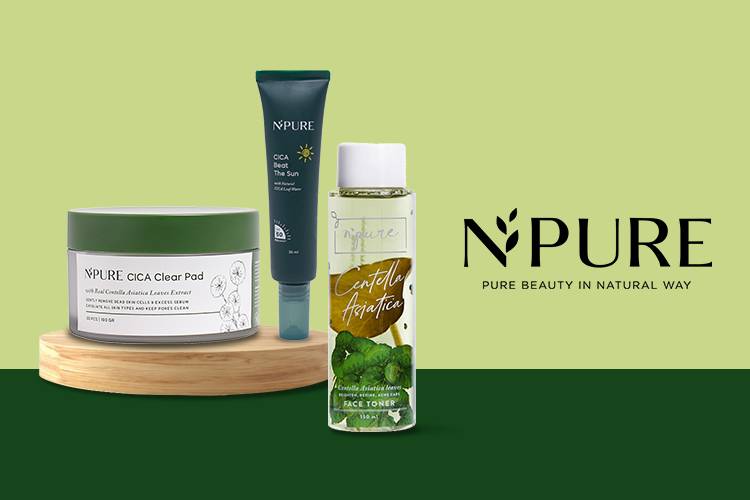
Natural skincare is becoming increasingly popular as people become more conscious of the ingredients they put on their skin. It’s a shift towards using products that are gentle, effective, and kinder to the environment.
One of the biggest benefits of natural skincare is the avoidance of harsh chemicals. Natural skincare Many conventional skincare products contain synthetic ingredients that can irritate the skin and even disrupt your body’s hormone balance. Natural skincare focuses on using ingredients derived from plants, minerals, and other natural sources. These ingredients often have multiple benefits, nourishing the skin while also providing antioxidants and other protective properties.
Another advantage of natural skincare is its positive impact on the environment. The production of many conventional skincare products involves harmful chemicals and processes that pollute the air and water. By choosing natural skincare, you’re helping to reduce your carbon footprint. Additionally, natural skincare often comes in sustainable packaging, further minimizing environmental impact.
Natural skincare isn’t just about what you put on your skin, but also about the overall well-being of your body. Many natural ingredients have additional health benefits. For example, aloe vera can soothe sunburn, while tea tree oil has antibacterial properties.
While natural skincare offers numerous advantages, it’s important to remember that not all natural products are created equal. Some products might contain fillers or other questionable ingredients. Look for products with clear labels, and research the brands you choose.
Incorporating natural skincare into your routine can be a gradual process. You don’t have to replace all your products at once. Start by identifying areas where you’d like to make a change, such as your cleanser or moisturizer. With time, you can build a natural skincare routine that works for you and leaves your skin feeling healthy and radiant.

Understanding Your Skin
Your skin is your body’s largest organ, and it does a lot more than just look good. It protects you from germs, helps regulate your body temperature, and even helps you feel things. So, it’s important to understand it and take good care of it!
What’s Your Skin Type? The first step to great skin is figuring out what type of skin you have. There are four main types:
- Oily skin: This skin type tends to be shiny, especially on your forehead, nose, and chin. It’s prone to pimples and blackheads.
- Dry skin: Dry skin feels tight and rough, and it might flake.
- Combination skin: This is a mix of oily and dry skin. Your T-zone (forehead, nose, and chin) might be oily, while the rest of your face is dry.
- Normal skin: This is the lucky skin type! It’s balanced, not too oily or too dry.
Skincare Basics No matter your skin type, there are some basic skincare steps you should follow:
- Cleanse: Wash your face twice a day with a gentle cleanser.
- Moisturize: Apply a moisturizer to keep your skin hydrated.
- Sunscreen: Protect your skin from the sun by using sunscreen with SPF 30 or higher.
Taking Care of Your Skin Besides your daily skincare routine, there are other things you can do to keep your skin healthy:
- Eat healthy: Foods like fruits, vegetables, and whole grains are good for your skin.
- Drink water: Staying hydrated helps your skin look its best.
- Get enough sleep: Sleep helps your skin repair itself.
- Manage stress: Stress can affect your skin, so find ways to relax.
- Be gentle: Avoid scrubbing your skin too hard.
Remember, everyone’s skin is different. What works for one person might not work for another. It’s important to find what works best for you and be patient. If you have any concerns about your skin, it’s always a good idea to talk to a dermatologist.
Harnessing Nature’s Power
Imagine a world where the energy we use doesn’t harm the planet. A world where the air is clean, the water is pure, and the Earth is healthy. This dream is becoming a reality thanks to amazing technology that harnesses nature’s power.
Nature is full of incredible energy sources. The sun shines brightly, the wind blows steadily, and water flows endlessly. Scientists and engineers are working hard to capture this energy and turn it into electricity. Solar panels soak up sunlight and transform it into clean energy. Wind turbines catch the wind and spin to create power. And hydropower uses the force of moving water to generate electricity.
These renewable energy sources are not only good for the planet, but they’re also getting better and cheaper. Solar panels are becoming more efficient, and wind turbines are taller and stronger. This means we can produce more clean energy for less money.
Using renewable energy helps protect our planet. Burning fossil fuels like coal, oil, and gas releases harmful gases into the air, causing pollution and climate change. By switching to clean energy, we can help reduce air pollution, protect our oceans, and slow down global warming.
Harnessing nature’s power is also creating new jobs. People are needed to build and maintain solar panels, wind turbines, and hydropower plants. This means more opportunities for people to find work and help build a better future.
As we continue to learn more about renewable energy, we’ll discover even more ways to harness nature’s power. From powering our homes to fueling our cars, clean energy is becoming a bigger part of our lives. It’s an exciting time to be alive, as we work together to create a cleaner, healthier planet for everyone.
DIY Skincare Recipes
Have you ever wondered what’s in your favorite skincare products? Or maybe you’re looking for a more natural and affordable way to care for your skin. DIY skincare might be the perfect solution!
Creating your own skincare products can be both fun and rewarding. You have complete control over the ingredients, ensuring that you’re using products that are gentle and effective for your skin type. Plus, it’s a great way to save money and reduce waste.
Before you dive into DIY skincare, it’s important to understand your skin type. Are you oily, dry, combination, or sensitive? Knowing your skin type will help you choose the right ingredients for your recipes.
Some popular DIY skincare recipes include face masks, moisturizers, and scrubs. You can use ingredients like honey, yogurt, oatmeal, and aloe vera to create homemade products that nourish and protect your skin. For example, a honey and yogurt mask can help hydrate and brighten your complexion. An oatmeal and honey scrub can gently exfoliate and leave your skin feeling soft and smooth.
When making your own skincare products, it’s essential to prioritize safety. Always wash your hands and equipment thoroughly before starting. Store your products in clean containers and use them within a reasonable timeframe. Also, be mindful of ingredient allergies. If you have sensitive skin, it’s a good idea to do a patch test before applying a new product to your face.
Remember, DIY skincare can be a great way to experiment and find what works best for your skin. However, if you have severe skin conditions, it’s always best to consult with a dermatologist. They can provide personalized advice and recommend appropriate treatments.
So, why not give DIY skincare a try? With a little creativity and experimentation, you can create skincare products that are both effective and enjoyable to use.
Sustainable Skincare Practices
Taking care of your skin is important, but it’s also essential to be mindful of the planet. Sustainable skincare means choosing products and routines that are kind to both your skin and the environment.
One of the biggest ways to make your skincare routine greener is by being conscious of the ingredients in your products. Look for skincare that uses natural and organic ingredients. These are gentler on your skin and often have fewer harmful chemicals that can pollute our water systems. Avoid products with microbeads, as these tiny plastic particles harm marine life.
Packaging is another crucial factor. Many skincare products come in plastic containers, which contribute to plastic pollution. Look for brands that use recyclable or biodegradable packaging. Some companies even offer refill options to reduce waste. You can also reuse empty skincare jars for storing small items like cotton pads or hair accessories.
Consider simplifying your skincare routine. Having too many products can lead to waste. Focus on essential products like a gentle cleanser, moisturizer, and sunscreen. Multi-purpose products can also help reduce the number of items in your bathroom.
Supporting cruelty-free and vegan skincare brands is another important step. These companies don’t test their products on animals and avoid using animal-derived ingredients. By choosing cruelty-free products, you’re helping to protect animals and promote ethical practices in the beauty industry.
Finally, remember that small changes can make a big difference. By being mindful of your skincare choices, you can contribute to a healthier planet. It’s about finding a balance between looking after your skin and caring for the environment.
Debunking Natural Skincare Myths
You’ve probably heard that “natural” is always best when it comes to skincare. While it’s true that many natural ingredients can be beneficial, there are some common misconceptions about natural skincare products. Let’s clear up a few of those myths.
Myth 1: All Natural Ingredients Are Good for Your Skin It’s easy to assume that anything natural is automatically safe and effective for your skin. But this isn’t always true. Some natural ingredients can actually irritate or damage your skin. For example, lemon juice might sound refreshing, but its acidity can irritate sensitive skin. Always do a patch test before trying a new natural product.
Myth 2: Natural Skincare is Always Better Than Conventional Skincare Natural and conventional skincare products both have their pros and cons. Some natural products are incredibly effective, while some conventional products contain ingredients that can help specific skin concerns. The best approach is to choose products that are right for your skin type and address your specific needs, whether they’re natural or not.
Myth 3: Natural Skincare is Chemical-Free This is a big one! All skincare products, even natural ones, contain chemicals. Water is a chemical, for example. The key is to look for products with natural ingredients and avoid harmful synthetic chemicals.
Myth 4: Natural Skincare is Expensive While some natural skincare products can be pricey, there are plenty of affordable options available. You don’t have to spend a fortune to get good results. Look for products with simple ingredient lists and avoid those with fancy packaging that might inflate the price.
Myth 5: Natural Skincare Can’t Fix Serious Skin Conditions It’s true that some severe skin conditions require medical treatment, but natural skincare can complement professional care and help improve your skin’s overall health. Many people with conditions like eczema or acne find relief with natural products.
Remember, everyone’s skin is different. What works for one person might not work for another. The best way to find the right skincare routine is to experiment and listen to your skin. Don’t be afraid to try different products and combinations until you find what works best for you.
Would you like to learn more about specific skincare ingredients or routines?


