
Unequal Chances: The Gap in Education
Gap in Education The phrase “Unequal Chances: The Gap in Education” highlights a critical issue in many societies: the disparities in educational opportunities available to different groups of people.Gap in Education This gap often manifests in various forms, leading to significant consequences for individuals and communities.
Gap in Education One of the most evident forms of educational inequality is the socioeconomic divide. Children from affluent families often have access to better-resourced schools, experienced teachers, and additional learning opportunities outside the classroom, such as tutoring or extracurricular activities.Gap in Education In contrast, students from low-income backgrounds may attend underfunded schools with overcrowded classrooms and limited resources, hindering their academic progress.
Racial and ethnic disparities also contribute to the education gap.Gap in Education Systemic racism and discrimination can lead to unequal treatment of students of color, impacting their academic achievement and overall school experience. Factors such as implicit bias among teachers, lack of culturally relevant curriculum, and disciplinary disparities can create barriers to success for these students.
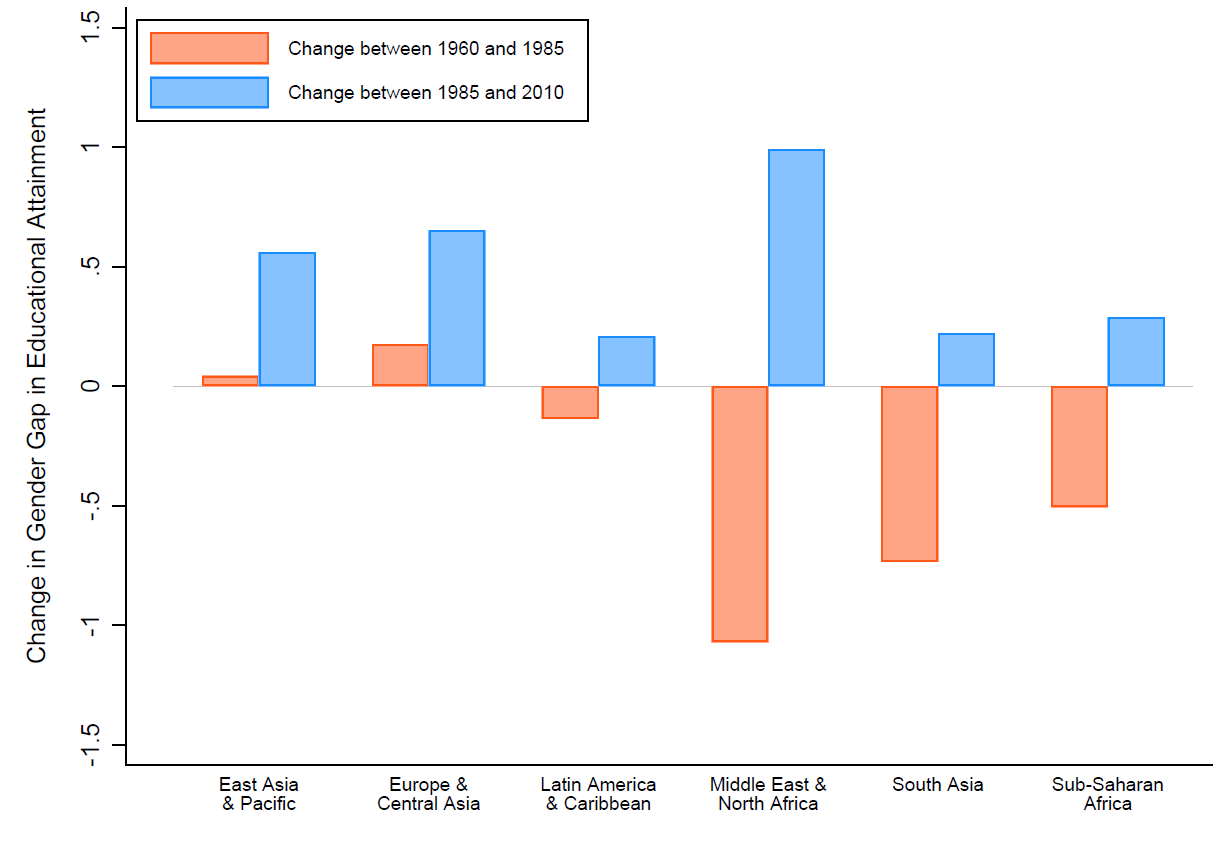
Furthermore, gender inequality persists in education. While progress has been made in many areas, girls and women still face challenges in accessing education and reaching their full potential. Gender stereotypes and biases can limit girls’ subject choices, career aspirations, and leadership opportunities.
The consequences of educational inequality are far-reaching.Gap in Education Students who lack equal access to quality education are more likely to experience lower academic performance, higher dropout rates, and limited job prospects. This, in turn, can perpetuate poverty and social inequality across generations. Moreover, a society with a significant education gap is less likely to reach its full potential, as it fails to harness the talents and abilities of all its citizens.
Gap in Education Addressing educational inequality requires a multifaceted approach involving investments in early childhood education, increased funding for disadvantaged schools, teacher training and support, and policies that promote equity and inclusion.Gap in Education By working to close the education gap, societies can create a more just and equitable future for all.

The Wealth Gap and Education
Gap in Education The wealth gap, the difference in assets between the rich and poor, significantly impacts access to quality education. This unequal playing field creates a cycle where those born into wealthy families often have a greater chance of achieving higher education and, subsequently, higher-paying jobs.
Children from low-income families face numerous obstacles.Gap in Education They might attend underfunded schools with fewer resources, larger class sizes, and less experienced teachers.Gap in Education These schools often lack libraries, technology, and opportunities for extracurricular activities that enrich learning. Additionally, students from low-income backgrounds may need to work part-time jobs to support their families, leaving less time for studying.
Wealthier families, on the other hand, can afford to live in areas with better schools, hire tutors, and pay for private schools or college prep courses. They may also have the means to send their children to summer camps or educational programs that broaden horizons and develop essential skills.
The consequences of this educational inequality are far-reaching. Individuals with higher education typically earn more, own homes, and have better healthcare.Gap in Education Conversely, those without a college degree often struggle financially, experiencing higher rates of unemployment and poverty. This reinforces the wealth gap, creating a cycle of disadvantage that is difficult to break.
Addressing education inequality requires a multifaceted approach.Gap in Education Increased funding for underprivileged schools, programs to support low-income students, and affordable higher education options are essential steps.Gap in Education It’s also crucial to challenge societal perceptions and stereotypes that can limit the aspirations of children from disadvantaged backgrounds.Gap in Education By providing equal opportunities for all, we can create a more just and equitable society.
Race and Education
The relationship between race and education is a complex one, deeply rooted in historical and societal factors. Unfortunately, racial disparities in education persist in many parts of the world.
Students from marginalized racial and ethnic groups often face significant challenges in accessing quality education. Factors such as socioeconomic status, neighborhood segregation, and implicit biases can contribute to these disparities. Students from these backgrounds may attend underfunded schools with fewer resources, have less experienced teachers, and experience higher rates of disciplinary actions.
These inequalities have long-lasting consequences. Students who don’t have equal access to education are more likely to drop out of school, face unemployment, and experience poorer health outcomes. This cycle of disadvantage can be difficult to break.
Addressing racial disparities in education requires a multifaceted approach. Increasing funding for schools in underserved communities, providing teacher training on cultural competence, and implementing programs that support students of color are essential steps. It’s also crucial to challenge stereotypes and prejudices within the education system and create a more inclusive learning environment for all students.
Ultimately, achieving educational equity is a matter of social justice. Every child deserves the opportunity to reach their full potential, regardless of their race or ethnicity.
Gender and Education
Gender inequality in education is a persistent global issue that affects millions of girls and women. It refers to the disparities in access, participation, and outcomes in education based on gender. While significant progress has been made, many challenges remain.
Girls in many parts of the world face barriers to education, including early marriage, pregnancy, household chores, and cultural norms that prioritize boys’ education. These obstacles often lead to lower enrollment, higher dropout rates, and limited educational opportunities for girls.
Even when girls attend school, they may encounter gender-biased curricula, textbooks, and teaching methods that reinforce stereotypes. This can limit their aspirations and career choices. Additionally, sexual harassment and violence in schools can create a hostile learning environment for girls, affecting their attendance and academic performance.
The consequences of gender inequality in education are far-reaching. When girls are denied education, their potential is wasted, and their communities suffer from a lack of skilled female workforce. Educated women are more likely to have better health outcomes, participate in decision-making, and contribute to economic growth.
Addressing gender inequality in education requires a multi-faceted approach. This includes promoting girls’ education, challenging gender stereotypes, providing safe and supportive learning environments, and ensuring equal access to resources and opportunities. By investing in girls’ education, we can create a more equitable and prosperous world for all.
Rural vs. Urban Education
The world of education is vast and varied, with significant differences between rural and urban settings. These disparities impact everything from available resources to student outcomes.
Urban Schools often benefit from a concentration of resources. Larger populations mean more funding, which can translate into advanced facilities, diverse course offerings, and a wider pool of qualified teachers. The proximity to cultural institutions, libraries, and universities can also enrich the educational experience. However, urban schools frequently grapple with issues like overcrowding, poverty, and increased diversity, which can present unique challenges.
In contrast, rural schools often face the opposite challenges. Smaller populations can lead to limited funding, fewer specialized teachers, and a narrower curriculum. While these schools may offer a smaller, more intimate learning environment, students might have reduced access to advanced courses, extracurricular activities, and technology. On the other hand, rural schools can foster a strong sense of community and often emphasize practical skills relevant to rural life.
Despite these differences, both rural and urban schools share the common goal of providing quality education. While challenges exist, innovative approaches, increased funding, and a focus on student needs can help bridge the gap and ensure that all students have the opportunity to succeed, regardless of their location.
Special Education and Inequality
Special education is designed to provide support and accommodations for students with disabilities, ensuring they can access education and reach their full potential. However, the reality is that the system often falls short of its goals, perpetuating inequality.
One major issue is the disproportionate representation of certain groups in special education. Students from marginalized communities, including those from low-income backgrounds and racial minorities, are overrepresented in special education classrooms. This overrepresentation can be attributed to factors such as poverty, cultural bias, and limited access to early intervention services. It’s crucial to address these systemic issues to ensure that students are accurately identified and placed in appropriate educational settings.
Furthermore, the quality of special education services varies significantly across schools and districts. Students in affluent areas often have access to better resources, smaller class sizes, and highly qualified teachers. In contrast, students in underfunded schools may experience overcrowded classrooms, limited specialized instruction, and a lack of support services. This disparity creates unequal opportunities for students with disabilities, hindering their academic and social growth.
Another challenge is the persistent stigma associated with disabilities. Negative attitudes and stereotypes can impact how students with disabilities are perceived and treated by peers, teachers, and the community. This can lead to social isolation, low self-esteem, and limited opportunities for participation in extracurricular activities. Creating inclusive environments where all students are valued and respected is essential for breaking down these barriers.
To address the issue of inequality in special education, it’s crucial to invest in early intervention services, provide adequate funding for special education programs, and implement culturally responsive practices. Additionally, raising awareness about disabilities and promoting inclusivity can help to create a more equitable and supportive educational environment for all students.


