
Leveling the Playing Field: The Fight for Fair Education
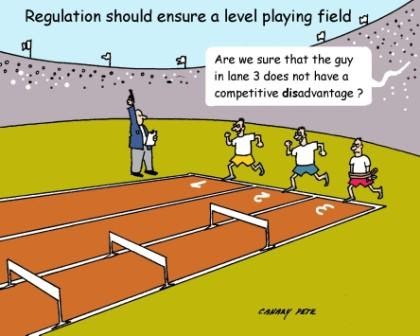
Playing field. The phrase “leveling the playing field” in education is a call for equity. It means ensuring that every student, regardless of their background, has an equal chance to succeed. Unfortunately, the reality is far from this ideal. Factors like socioeconomic status, race, and disability often create significant barriers to educational opportunities.
Playing field The gap between students from affluent and disadvantaged backgrounds is alarming. Those from wealthier families often attend better-funded schools with smaller class sizes and experienced teachers. They may also have access to tutors, extracurricular activities, and college counseling that their peers can only dream of. On the other hand, students from low-income families often face overcrowded classrooms, outdated facilities, and a lack of support services. This inequality starts early and compounds over time, leading to significant disparities in educational outcomes.
To level the playing field, we need to address systemic issues. This includes increasing funding for schools in underserved communities, recruiting and retaining qualified teachers, and providing early childhood education for all children. Additionally, efforts must be made to reduce class sizes, expand access to technology, and offer mental health support to students Playing field.
Beyond school resources, addressing issues like poverty, housing insecurity, and food insecurity is crucial. These factors significantly impact a child’s ability to focus and learn. Playing field Collaborations between schools, community organizations, and government agencies are essential to create supportive environments for all students.
Ultimately, leveling the playing field is about creating a society where everyone has the opportunity to reach their full potential. It’s about recognizing that education is a fundamental right, not a privilege. By working together, we can build a future where every child has the chance to succeed, regardless of their circumstances.

The Funding Gap
Playing field Imagine two schools. One has shiny new computers, a well-stocked library, and plenty of teachers. The other school has outdated textbooks, crowded classrooms, and not enough resources. Sadly, this isn’t a made-up story. It’s a real problem called the funding gap.
The funding gap means that some schools get more money than others.Playing field This usually happens because schools get money based on property taxes in the area. So, schools in wealthy neighborhoods often have more money than schools in poorer areas.
This isn’t fair. It means that kids in rich neighborhoods have a better chance of getting a good education,Playing field while kids in poor neighborhoods might not have the same opportunities.
When schools don’t have enough money, it can lead to problems like:
- Overcrowded classrooms: This makes it harder for teachers to give students the attention they need.
- Outdated books and materials: Students need up-to-date resources to learn.
- Fewer programs: Schools with less money might not be able to offer important programs like art, music, or sports.
- Less experienced teachers: Good teachers are expensive, so schools with less money might have trouble hiring and keeping great teachers.
The funding gap isn’t just about money. It’s about giving every child a fair chance to succeed. All kids deserve a good education, no matter where they live.
Access to Quality Teachers
The quality of a student’s education is profoundly influenced by the quality of their teachers. Access to skilled, passionate, and well-supported educators is a cornerstone of educational equity. Playing field Unfortunately, this access is not evenly distributed. Many factors contribute to disparities in teacher quality, including school funding, location, and student demographics.
Schools in affluent areas often have more resources to attract and retain top-tier teachers.Playing field They can offer higher salaries, better working conditions, and professional development opportunities. In contrast, schools in disadvantaged communities frequently struggle with teacher shortages, high turnover rates, and a disproportionate number of inexperienced or underqualified educators.
Moreover, the distribution of teachers with specific expertise can be uneven. Subjects like STEM (Science, Technology, Engineering, and Math) often face shortages, particularly in rural or underserved areas.Playing field This can limit students’ exposure to critical subjects and hinder their future opportunities.
To address these challenges, concerted efforts are needed. Investing in teacher preparation programs, providing ongoing professional development, and offering competitive salaries can help attract and retain high-quality educators.Playing field Additionally, policies that promote teacher mobility and support collaboration among schools can help distribute talent more equitably.
Ultimately, ensuring that all students have access to excellent teachers is essential for creating a just and equitable society. By prioritizing teacher quality and working to overcome barriers to access, we can empower students to reach their full potential.
Technology Divide
Imagine a world where some people have super cool gadgets and can easily find information, while others don’t have these things and feel left out. This is called the technology divide.Playing field It’s like a gap between people who have access to computers, the internet, and smartphones, and those who don’t.
This divide can be huge! People with technology have a much easier time doing things like learning new things, finding jobs, and staying connected with friends. They can use apps to learn about their hobbies, play games, and even control things in their homes. But people without technology might miss out on these opportunities.
There are lots of reasons why this divide happens. Sometimes, people live in places where there’s no good internet connection. Or maybe they can’t afford a computer or smartphone. Sometimes, people just don’t know how to use technology very well. This can make them feel shy or embarrassed, so they avoid using it altogether.
The technology divide can be unfair, and it can make it harder for some people to succeed in life. That’s why it’s important to try to close this gap. We can do this by making technology more affordable, teaching people how to use it, and making sure that everyone has access to the internet.
If we can bridge the technology divide, everyone will have a better chance to learn, grow, and have fun!
Overcrowded Classrooms
Overcrowded classrooms are a common issue in many schools, and they can have significant negative impacts on both students and teachers. When there are too many students in a classroom, it becomes difficult for teachers to provide individual attention and support to each child. This can lead to a number of problems, including:
- Decreased student engagement: With more students to manage, teachers may have less time to interact with individual students. This can lead to students feeling bored, disengaged, or even frustrated.
- Difficulty in learning: Overcrowded classrooms can be noisy and chaotic, making it difficult for students to concentrate on their studies. This can lead to lower academic performance and test scores.
- Limited access to resources: When there are too many students, there may not be enough books, computers, or other learning materials to go around. This can limit students’ opportunities to learn and grow.
- Increased behavioral problems: Overcrowded classrooms can lead to increased levels of stress and frustration for both students and teachers. This can create a climate where behavioral problems are more likely to occur.
- Teacher burnout: Trying to teach too many students at once can be extremely stressful and exhausting for teachers. This can lead to teacher burnout and turnover, which can have a negative impact on students’ education.
To address the problem of overcrowded classrooms, schools need to invest in additional resources, such as hiring more teachers and building more classrooms. It is also important to develop strategies for managing large class sizes, such as using small group instruction and cooperative learning activities. By taking steps to reduce overcrowding, schools can create a more positive and effective learning environment for all students.
Standardized Testing Bias
Standardized tests are supposed to be a fair way to measure how much students know. But, many people think these tests aren’t always fair to everyone. This is called testing bias.
One big problem is that tests often reflect the experiences and knowledge of a certain group of people. For example, a test question about a popular sport might be easier for kids who watch that sport a lot. If a test has too many questions like this, it can be harder for kids from different backgrounds to do well.
Another issue is language. Tests are usually written in one language, like English. This can be tough for kids who are learning English or whose first language is different. Even if they know the subject, they might not understand the questions well.
Also, where you grow up can make a difference. Kids from richer neighborhoods often have more chances to learn things outside of school, like going to museums or taking extra classes. These experiences can help them do better on tests.
It’s important to remember that not all tests are biased, and people are working hard to make tests fairer. But it’s still a problem that we need to think about. We want all kids to have a chance to show how smart they are, no matter where they come from or what language they speak.


